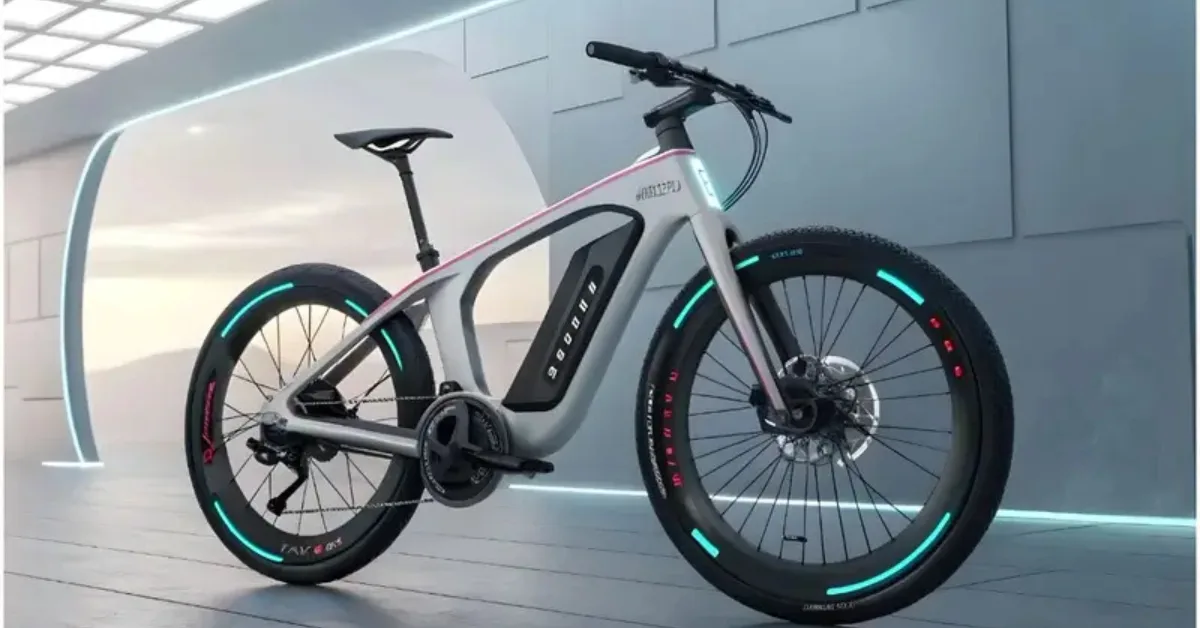
The global shift towards sustainable urban mobility has just received a potent injection of performance DNA. Yamaha Motor Company, a legendary name in high-performance motorcycles, is officially entering the electric bicycle market. This move marks a significant moment, bringing decades of precision engineering, powertrain expertise, and a racing pedigree to a segment ripe for innovation. The Yamaha Electric Cycle is not envisioned as a mere commuter gadget; it is being developed as a high-quality, reliable, and engaging pedal-assist machine designed for riders who appreciate the fusion of human effort and refined electric power, promising to redefine expectations for power delivery, durability, and ride quality.
The Heart of Innovation: Yamaha’s Proprietary Pedal-Assist System
The core differentiator of the Yamaha Electric Cycle will be its drive unit. Yamaha pioneered the first commercially successful pedal-assist system in 1993 and has since refined the technology over decades. The new e-cycle will feature a latest-generation, lightweight, and compact mid-drive motor. This design leverages the bicycle’s gears for optimal efficiency, providing natural, responsive torque that feels like an extension of the rider’s own power. Expect multiple assist modes—from a subtle Eco boost for maximum range to a powerful High mode for conquering steep inclines—all managed by sophisticated sensors that measure pedal torque, cadence, and speed to deliver seamless, intuitive assistance.

Performance-Oriented Design and Integrated Technology
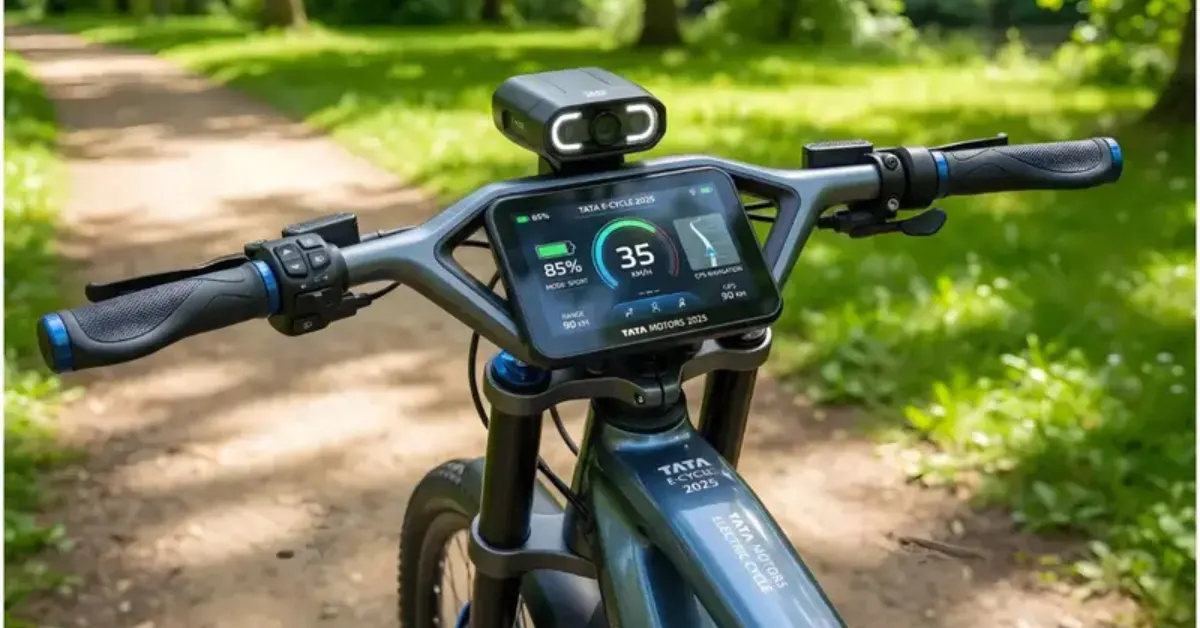
True to Yamaha’s ethos, the design will balance sleek aesthetics with functional performance. The frame geometry will likely prioritize a comfortable yet engaging riding position for urban environments. Integration is key: the battery pack will be elegantly housed within the frame triangle for a low center of gravity and balanced handling, while a streamlined cockpit will feature an intuitive display showing speed, battery level, assist mode, and distance traveled. The Yamaha Electric Cycle will likely incorporate connectivity via a smartphone app, offering ride data analytics, battery management, and system diagnostics, embodying Yamaha’s commitment to technology and user engagement.
Target Audience and Strategic Market Positioning
The Yamaha Electric Cycle will strategically target a discerning rider segment. This includes urban commuters seeking a faster, sweat-free alternative to traditional cycling, fitness enthusiasts looking for enhanced range and hill-climbing ability, and existing Yamaha brand loyalists eager for a new, eco-friendly product from the manufacturer. By entering this space, Yamaha isn’t just selling a bicycle; it’s expanding its brand ecosystem into active, sustainable lifestyle mobility. It positions itself against premium European e-cycle brands by offering arguably superior motor technology and Yamaha’s vast global network for service and support, promising peace of mind alongside performance.
The Road Ahead: Challenges and Yamaha’s Competitive Edge
Yamaha enters a crowded but fast-growing market. Its success will hinge on a competitive price point that reflects its premium engineering and on clearly communicating the tangible benefits of its proprietary motor system over common hub-drive alternatives. The company’s monumental advantages are its proven reliability in electric drive systems (with millions of units sold worldwide) and an established, trusted brand associated with quality and performance. If Yamaha can translate its motorcycle engineering prowess—focusing on battery efficiency, motor responsiveness, and durable construction—into the e-cycle domain, it has the potential to not just compete but to set a new benchmark for what a performance-oriented, reliable electric bicycle can be.