The landscape of personal urban transport is poised for a significant shift with the anticipated entry of a heavyweight automotive brand into the micromobility space. Tata Motors, a titan of the Indian automobile industry, is reportedly in advanced stages of developing its first electric bicycle, slated for launch in 2026. This move represents far more than a product diversification; it is a strategic foray into the rapidly growing ecosystem of sustainable, last-mile connectivity solutions. The Tata Electric Cycle 2026 is expected to blend robust engineering, smart connectivity, and trusted brand reliability, offering a compelling alternative for eco-conscious commuters, students, and urban residents.
Engineered for the Urban Commuter: Anticipated Design and Performance
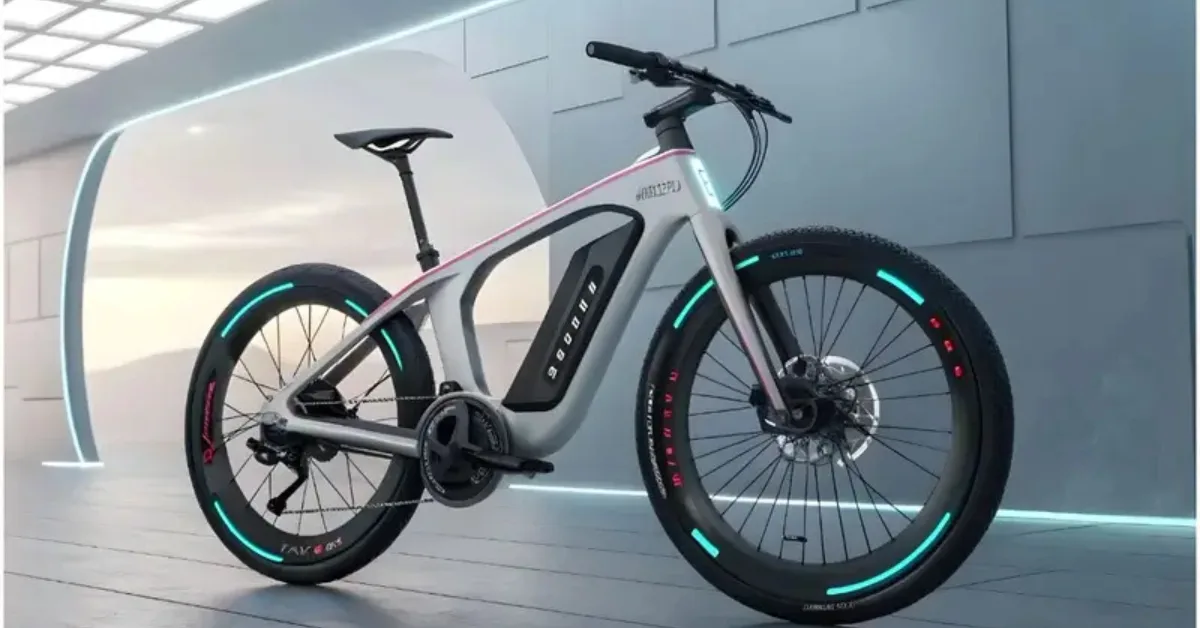
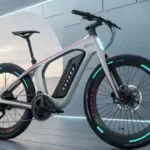
While official specifications are under wraps, the Tata Electric Cycle 2026 is likely to be engineered with a focus on durability and daily practicality. One can expect a lightweight yet sturdy aluminum alloy frame, integrated cable routing for a sleek look, and practical features like pannier racks and fenders. The heart of the system will be a mid-drive or hub-mounted electric motor, paired with a removable, swappable Lithium-ion battery pack. Anticipated performance figures include a pedal-assisted range of 60-80 km on a single charge and a top assisted speed of 25 kmph, complying with prevalent regulations. The design philosophy will likely prioritize comfort and ease of use, making it accessible to a wide demographic.


The Smart and Connected Riding Experience
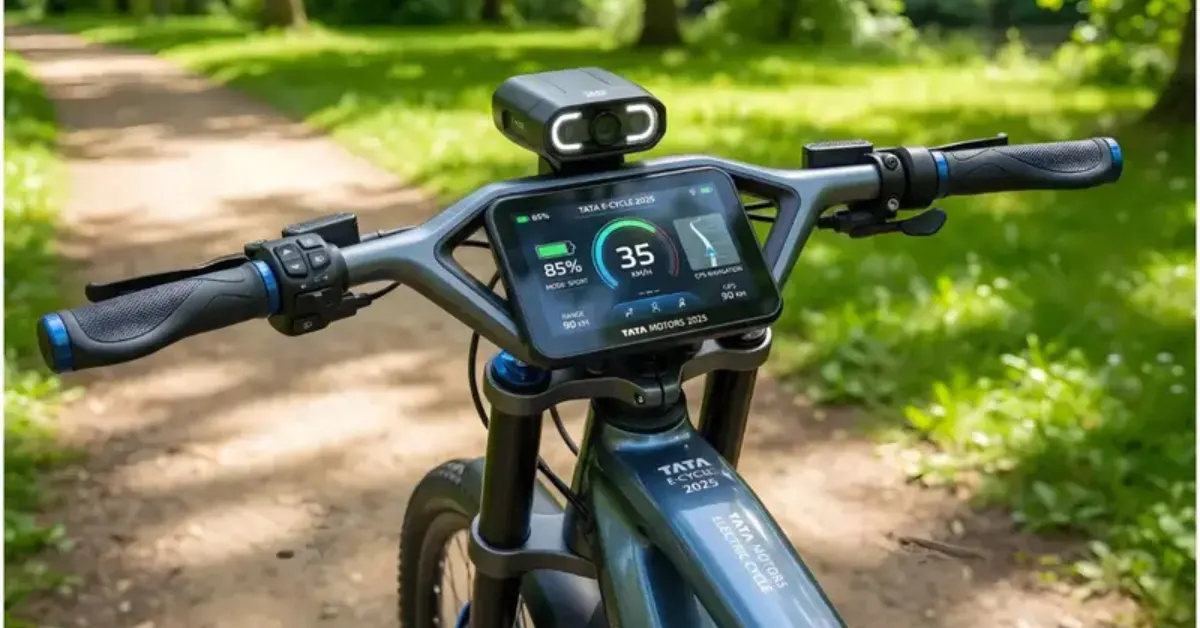
True to Tata’s growing emphasis on digital integration, the Tata Electric Cycle 2026 is expected to be a connected device, not just a bicycle. A central feature could be a built-in or smartphone-linked digital dashboard providing real-time data on speed, battery level, range, and trip statistics. Integration with a dedicated mobile app might offer features like ride analytics, battery health monitoring, GPS-based theft alert, and even firmware updates. This connected ecosystem would position it as a intelligent mobility solution for the modern user, differentiating it from many current e-cycle offerings in the market.
Sustainability and Strategic Market Positioning
The launch aligns perfectly with global and national pushes towards greener urban transport. An electric cycle produces zero tailpipe emissions, reduces traffic congestion, and promotes personal health through pedal assistance. For Tata, this move strategically places the brand at the forefront of a sustainable mobility future, capturing a new, growing customer segment ahead of competitors. The Tata Electric Cycle 2026 will likely target urban professionals for first- and last-mile connectivity, students, and residents in gated communities or university campuses. It also presents a viable, low-maintenance transport option for senior citizens.
Challenges and the Road to 2026
The success of the Tata Electric Cycle 2026 will depend on key factors beyond the product itself. A competitive pricing strategy will be crucial to penetrate a market with numerous established and niche players. Building a robust service and support network for e-cycles will be essential, potentially leveraging existing Tata dealerships in a new capacity. Furthermore, fostering consumer awareness about the benefits and usability of e-cycles over traditional two-wheelers will be vital. If executed with the brand’s hallmark of trust and innovation, the Tata Electric Cycle 2026 has the potential to not just enter the market, but to fundamentally elevate it, bringing a new level of engineering credibility and smart features to the Indian e-cycle revolution.