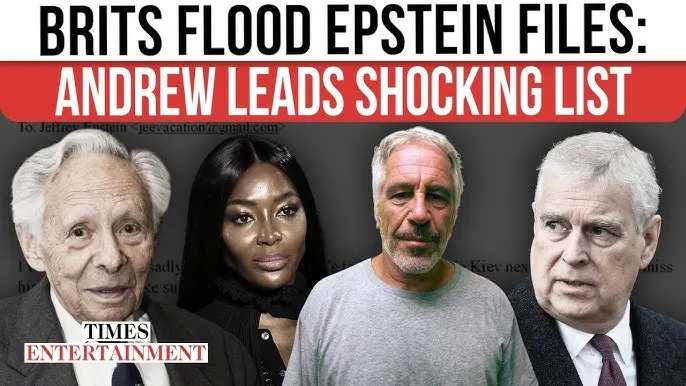
The gradual unsealing of hundreds of pages of court documents from the Jeffrey Epstein case has not merely provided new details; it has detonated a series of global reputational bombshells. While the financier’s crimes were already monstrously clear, the latest revelations have shifted the spotlight emphatically onto the elite social and professional orbit he cultivated and allegedly exploited. The phrase “Shocking Big Names Revealed in the Epstein Files” has dominated headlines, capturing the public’s stunned reaction as transcripts and depositions name-dropped world leaders, revered academics, billionaire entrepreneurs, and beloved celebrities with casual, chilling frequency. This is no longer just a story about a criminal; it is a sprawling inquiry into the networks of influence that can seemingly insulate the powerful from consequence.
Beyond Association: The Gravity of Allegations and Flight Logs
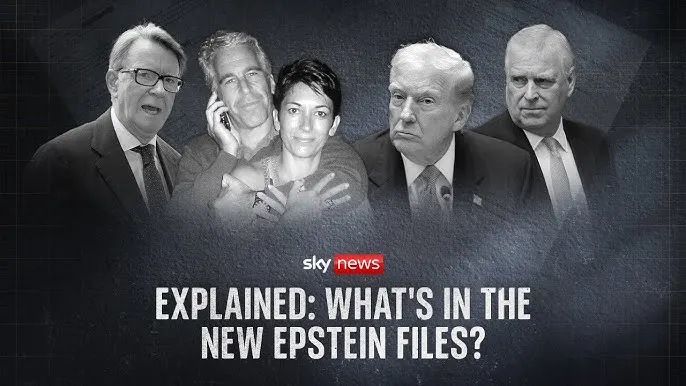
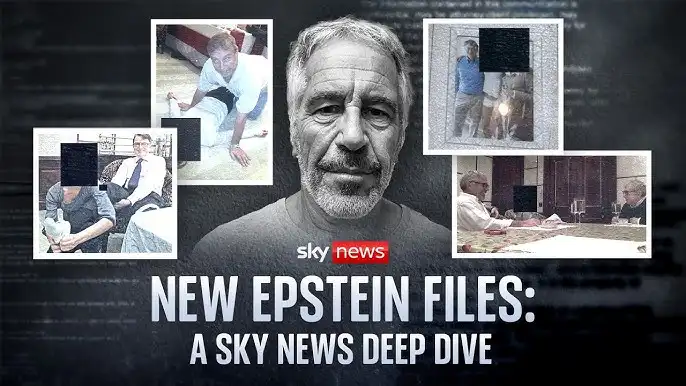
The shock value of the “Shocking Big Names Revealed in the Epstein Files” does not stem from mere social acquaintance. The documents, primarily from Virginia Giuffre’s 2015 civil suit against Ghislaine Maxwell, weave a more damning narrative. They include detailed flight logs from Epstein’s private jets—dubbed the “Lolita Express”—showing repeated travel by powerful figures to his private island and residences. They contain victim testimonies that directly identify some of these individuals as participants in or witnesses to abuse. For example, the documents have fueled long-standing allegations against Britain’s Prince Andrew, with testimony describing his presence in compromising circumstances. Similarly, the files recount Epstein’s own boastful claims about his connections, dragging figures like former Presidents Bill Clinton and Donald Trump back into the narrative, albeit with varying degrees of alleged involvement detailed in the testimonies.
A Pantheon of Power: The Spectrum of the Named
The range of individuals referenced creates a map of extraordinary influence. Among the most-discussed “Shocking Big Names Revealed in the Epstein Files” are figures like the famed physicist Stephen Hawking, though in a context seemingly unrelated to abuse. The documents also name prominent Israeli former Prime Minister Ehud Barak, billionaire entrepreneur and former friend Leslie Wexner (whose trust famously provided Epstein with his Manhattan mansion), and former US Senator George Mitchell. The inclusion of esteemed legal scholar Alan Dershowitz, who has vehemently denied the allegations and sued for defamation, underscores the legally volatile and personally destructive nature of being named. The list paints a picture of a man who strategically embedded himself at the crossroads of political power, cutting-edge science, immense wealth, and celebrity.
The Legal Gray Zone: Named vs. Charged
A critical distinction must be made, one often lost in the sensational headlines. Being named in these civil case documents is not equivalent to being charged with a crime. Many individuals are referenced in passing, as potential witnesses, or in Epstein’s own communications. Their presence indicates proximity to Epstein’s world but does not, on its own, establish wrongdoing. However, the civil standard is lower than the criminal “beyond a reasonable doubt.” The testimonies and documents aim to establish a pattern of behavior and a network. For the public, the moral and reputational stain of being associated with this network is profound, leading to what many see as a long-overdue social reckoning, regardless of legal adjudication.
The Unraveling of Impunity and the Quest for Accountability
The ultimate impact of the “Shocking Big Names Revealed in the Epstein Files” may be cultural and systemic. The unsealing has shattered any remaining facade of Epstein as a lone wolf. It vividly illustrates how wealth and connections can allegedly be used to facilitate and conceal horrific crimes. The documents have empowered victims, providing a form of public validation for stories that were dismissed for years. They have also triggered a wave of resignations, strained legacy-defining relationships, and ignited fresh investigations by the media and potentially by law enforcement agencies in multiple countries. While the legal fate of most named individuals remains uncertain, the scandal ensures that the question of who knew what, and who enabled whom, will haunt the upper echelons of global society for a generation, forcing a painful but necessary examination of power, privilege, and accountability.