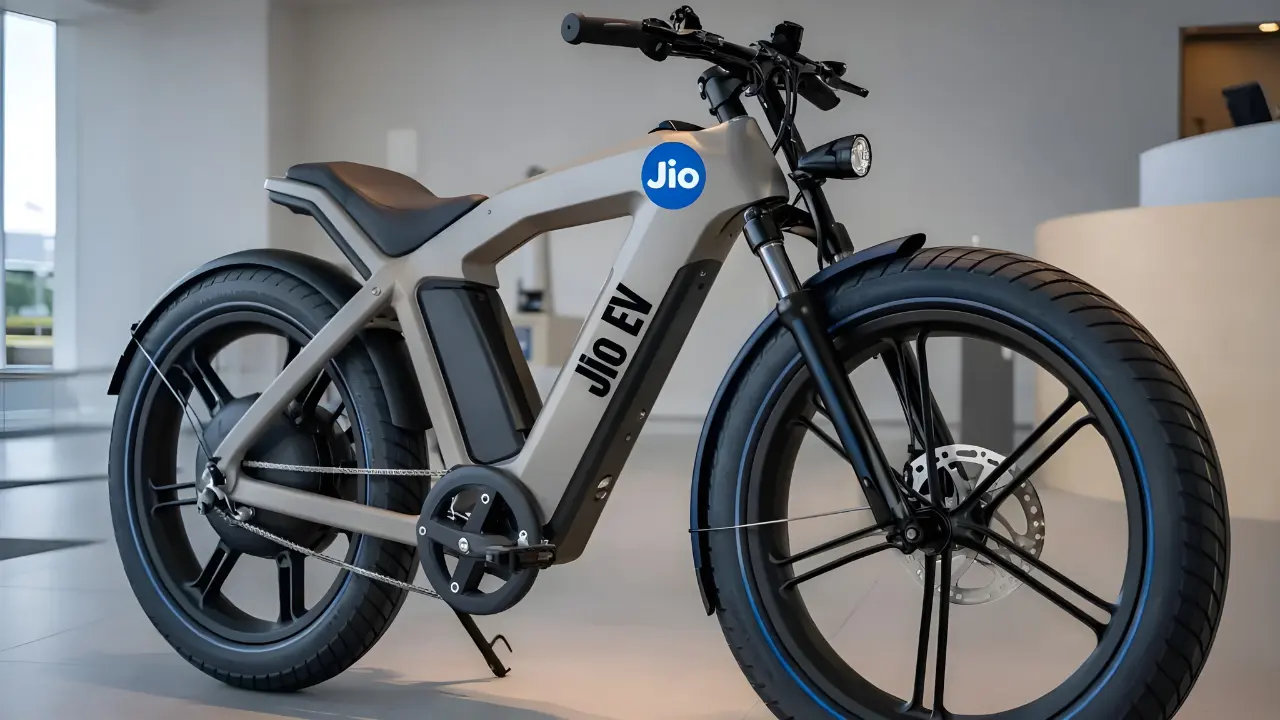
As India accelerates its transition towards sustainable transportation, a new and formidable player is poised to enter the electric personal mobility arena. Reliance Jio, a titan of digital connectivity, is reportedly developing its own smart electric cycle. This move signifies a strategic expansion from digital networks to physical mobility solutions, leveraging its core strengths in connectivity, ecosystem integration, and mass-market scaling. The anticipated Jio electric cycle is not expected to be just another e-bike; it is envisioned as a data-rich, intelligently connected device, designed to seamlessly integrate into the digital lives of millions of Indians, offering a clean, efficient, and smart solution for first and last-mile connectivity.
Design and Utility: Built for the Indian Commuter
The Jio electric cycle will likely prioritize practical, user-centric design tailored for crowded urban environments and varied road conditions. Expect a robust, step-through frame for easy mounting, integrated lighting for safety, and a comfortable, upright riding posture. A key focus will be on utility: a long, flat rear carrier for groceries or packages, a front basket, and durable, puncture-resistant tyres. The battery pack, central to the design, will be seamlessly integrated into the frame for balance and weather protection, likely featuring a removable option for convenient charging at home or office. The aesthetics will be clean, modern, and functional, reflecting Jio’s brand ethos of accessible, reliable technology for everyday life.

The Connected Core: Jio’s True Differentiator
Where the Jio electric cycle could truly disrupt the market is through its deeply integrated connectivity, making it a true “Internet of Things” vehicle on wheels. Leveraging Jio’s nationwide 5G and IoT networks, the cycle is expected to feature:
- A built-in digital dashboard/smart console with JioSIM integration.
- Real-time GPS tracking and anti-theft geofencing alerts sent directly to a smartphone.
- Ride analytics (speed, distance, battery, calories burned) synced to a JioHealth or JioFitness app.
- Over-the-Air (OTA) updates for performance enhancements and new features.
- Potential integration with JioMart for delivery gigs or with JioMoney for seamless payments. This connected ecosystem transforms the cycle from a simple transport tool into an intelligent node in Jio’s digital universe.
Performance and Accessibility: A Mass-Market Proposition
Performance will be tuned for practicality over sportiness. The Jio electric cycle will likely feature a reliable hub-mounted motor offering pedal-assist (and possibly a throttle mode), with enough torque to handle flyovers and headwinds comfortably. The emphasis will be on a dependable range of 50-70 km per charge, adequate for daily urban commutes. The most significant impact could come from Jio’s pricing and accessibility strategy. By leveraging its vast retail presence (Jio stores) and potential bundling with Jio telecom plans, Reliance could aggressively price the cycle, making premium e-mobility features accessible to a much wider demographic, catalyzing mass adoption in a way few other players can.
Charging Ecosystem and the Bigger Vision
A standalone product is only as good as its support system. Jio could address the charging anxiety that hinders EV adoption by creating a ubiquitous battery-swapping or charging network. Imagine swapping a depleted battery at a Jio store, a Kirana partner, or a dedicated kiosk in minutes. This “Battery-as-a-Service” model, powered by Jio’s logistics and partner network, would be a game-changer. Ultimately, the Jio electric cycle is a strategic piece in Reliance’s broader vision of a sustainable, digital India. It complements Jio’s energy ambitions (solar, batteries) and smart city initiatives, positioning the company not just as a service provider, but as an architect of integrated, future-ready urban living.
The Jio electric cycle represents the convergence of clean mobility, digital connectivity, and mass-market scale. It has the potential to democratize smart electric transport, bringing connected features, reliable performance, and affordable access to millions. While specifics are awaited, its entrance signals a seismic shift in the market, promising to make the daily commute smarter, greener, and intrinsically linked to the digital fabric of modern India.