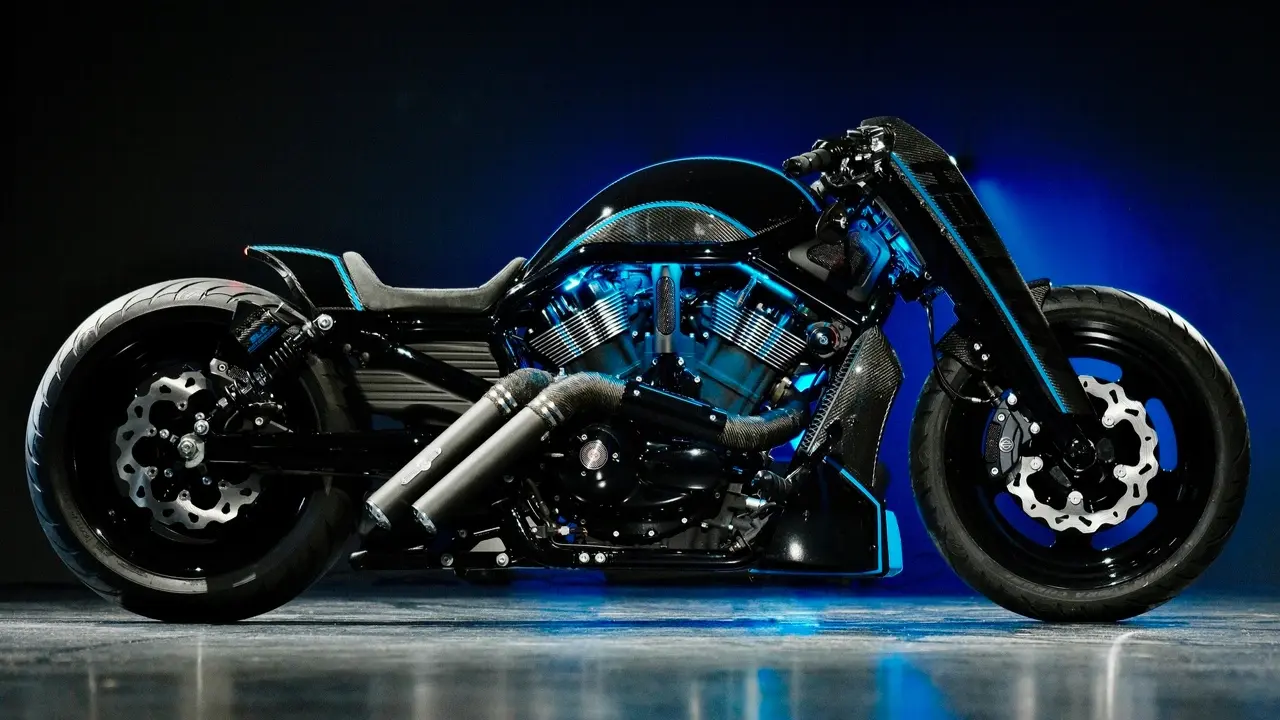
The very phrase “Harley-Davidson” evokes an unmistakable image: the throaty rumble of a V-Twin, the gleam of chrome, and the laid-back stance of a heavyweight cruiser. However, the iconic American marque has a lesser-known chapter in its storied history—one that points toward a different kind of freedom on two wheels. The concept of a Harley-Davidson road bike ventures beyond the boulevard, imagining a machine built for athleticism, distance, and the pure, human-powered connection of a performance bicycle. While not a current production model, exploring this idea reveals how Harley’s core values of craftsmanship, individuality, and open-road adventure could translate into the world of premium cycling.
The Design Ethos: Melding Milwaukee Muscle with Cycling Efficiency
A true Harley-Davidson road bike would not be a bicycle with a logo slapped on it. It would be a meticulous fusion of Harley’s design language with the aerodynamic and ergonomic necessities of a performance bicycle. Imagine a lightweight carbon fiber or titanium frame with a silhouette that echoes the flowing fenders and fuel tank lines of a Softail. The paint would be deep, custom-shop quality—perhaps a screaming orange or a denim black with intricate pinstriping. Details would be paramount: forged aluminum components with a machined finish, a leather-wrapped handlebar tape or saddle from Harley’s accessories division, and minimalist badging that speaks of quality rather than ostentation. It would be a road bike that makes a visual statement of power and precision before you even turn a pedal.
Performance Philosophy: The “Grand American Touring” of Bicycles
Harley-Davidson motorcycles are built for covering vast distances in comfort, a philosophy known as the “Grand American Touring.” Translated to a road bike, this wouldn’t mean a slack, upright geometry. Instead, it would mean a focus on endurance and stability over pure, twitchy race aggression. The geometry would be tuned for all-day comfort on long stretches of asphalt, with a slightly taller head tube for a less extreme riding position. Component selection would prioritize reliable, smooth-shifting electronic groupsets, powerful hydraulic disc brakes for confidence in all conditions, and wide-range gearing to conquer mountain passes—embodying the touring spirit. This Harley-Davidson road bike would be built for the rider who measures journeys in hours and landscapes, not just in miles per hour.
A Lifestyle Accessory for the Complete Rider
For Harley-Davidson, the machine is just the beginning; it is the key to an entire lifestyle. A Harley-Davidson road bike would be integrated into this ecosystem. It would be sold and serviced through select dealerships, paired with a co-branded apparel line featuring moisture-wicking jerseys with classic Harley styling, and designed to mount on custom bike racks for Harley touring models. This creates a holistic vision: load your road bike onto your Electra Glide, ride to the Rockies, and spend a day exploring alpine roads under your own power. It caters to the rider whose passion for two wheels isn’t limited to one type of engine, embracing a broader culture of adventure, fitness, and craftsmanship.
The Market Niche: A Statement of Individuality in a Crowded Peloton
The road cycling market is saturated with brands steeped in European racing heritage. A Harley-Davidson entry would carve out a unique and powerful niche. It would appeal to existing Harley enthusiasts seeking a complementary fitness and adventure tool, as well as to cyclists looking for a bike with unparalleled custom character and American bravado. It would stand apart in the peloton not for its weight-weenie pedigree, but for its story, its finish, and its embodiment of a different kind of freedom. It would be less about chasing the Tour de France and more about chasing horizons on your own terms.
While Harley-Davidson’s current focus remains on powered motorcycles, the conceptual Harley-Davidson road bike showcases how the brand’s powerful identity could revolutionize another segment. It represents more than a bicycle; it is a potential flagship for a lifestyle of total riding freedom, proving that the call of the open road can be answered with the quiet turn of a pedal just as powerfully as with the thunderous twist of a throttle. It is the ultimate machine for the rider who owns the road, no matter the power source.